
The Book and the Cathedral
The Hunchback of Notre DameThis thematic thread traces the novel’s argument that printing changes how societies preserve, circulate, and express human thought.
increasing Bearing strength in each event
 decreasing
Bearing strength in each eventdecreasingArchitecture as Memory
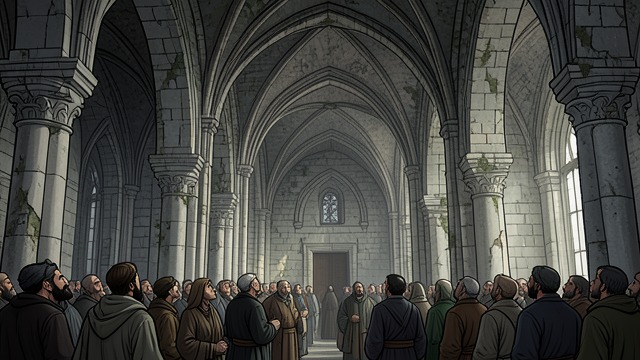
Stone as a Record
Visible history
The narrator presents cathedrals as records of belief, craft, and social life. Their forms preserve work contributed by generations rather than a single named author.
A collective inheritance
Notre-Dame contains successive architectural histories in its stones. Reading the building means reading the people and institutions that made it.
A Changing Architectural Language
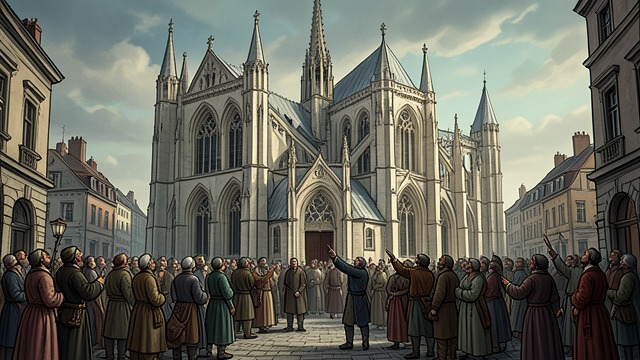
Forms and Social Change
Styles in transition
The narrator links architectural forms to changing societies, from Romanesque authority to the more varied Gothic style. Notre-Dame embodies a transition rather than a pure category.
Art beyond dogma
Gothic architecture allows popular invention and artistic freedom within a religious structure. Its complexity makes social change visible in stone.
The Press Appears
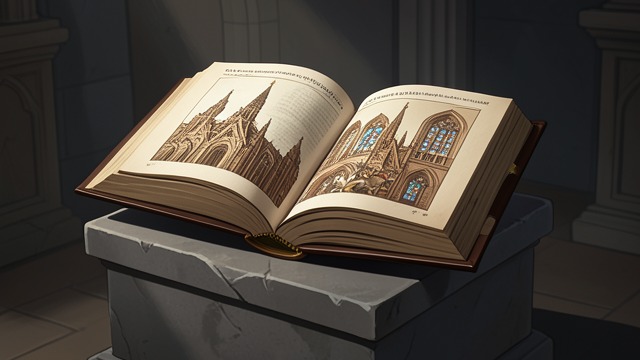
A New Medium
Thought made portable
Printing allows ideas to travel in books without requiring a monumental building. The new medium changes the scale and speed of intellectual communication.
A threatened art
Claude Frollo’s phrase about the book and the edifice condenses a larger fear. A culture that once wrote in stone may transfer its effort to print.
Stone Loses Its Dominance
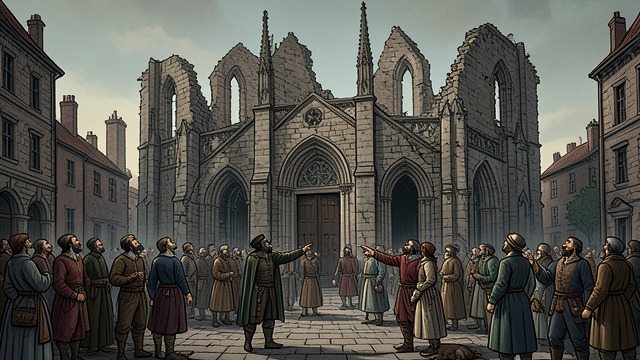
An Unequal Succession
Art disperses
As printing expands, architecture loses its former position as society’s dominant art. Painting, sculpture, and music develop more independently from the building.
A polemical history
The narrator describes later architectural fashions as mutilations of medieval work. His judgment connects aesthetic change to a broader loss of communal expression.
A Call to Preserve
The Present as Steward
Contemporary destruction
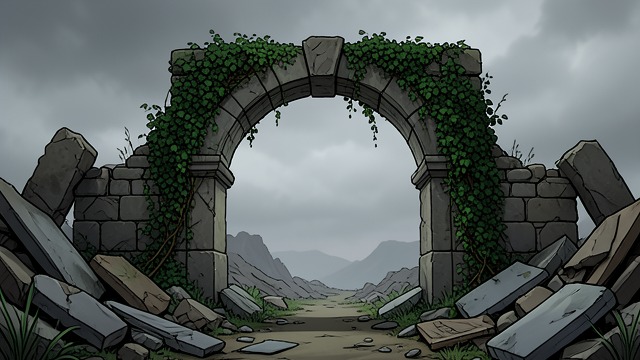
The narrator lists threatened and damaged medieval monuments, criticizing architects and authorities who treat historic buildings as expendable.
A public responsibility
Preservation becomes a central purpose of the book’s argument. The cathedral is not merely scenery but a record that later generations can erase or protect.
The narrator’s account of medieval Europe
From the Romanesque period through the Gothic period
The fifteenth century
The sixteenth through eighteenth centuries
1832, in the added note
